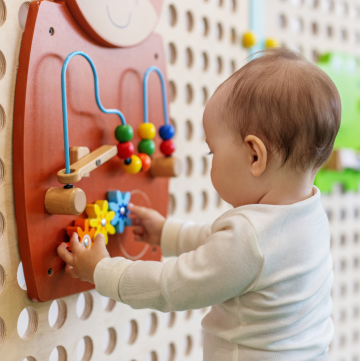
The Direct Answer: To improve fine motor skills in young children, focus on activities that strengthen the pincer grasp, hand-eye coordination, and bilateral integration. The most effective method is through “Play-Based Resistance,” such as using playdough, using tongs, and completing structured printable activities like tracing, dot-marking, and “cut-and-paste” crafts. Experts recommend 15–20 minutes of dedicated fine motor play daily to prepare children for handwriting and self-care tasks (like zipping a coat).
👋 Why Fine Motor Development is More Critical Than Ever
In a world dominated by swiping and tapping, many children are entering preschool with “weak hands.” Developing the small muscles in the hands and wrists isn’t just about art; it’s about independence.
When a child improves their fine motor skills, they are actually building the neural pathways required for:
-
Handwriting and Drawing
-
Self-Feeding and Utensil Control
-
Fastening Buttons and Zippers
-
Using Scissors Safely
🎨 3 Best Ways to Use BrightStart Printables for Fine Motor Success
1. The “Pathfinder” Method (Tracing & Control)
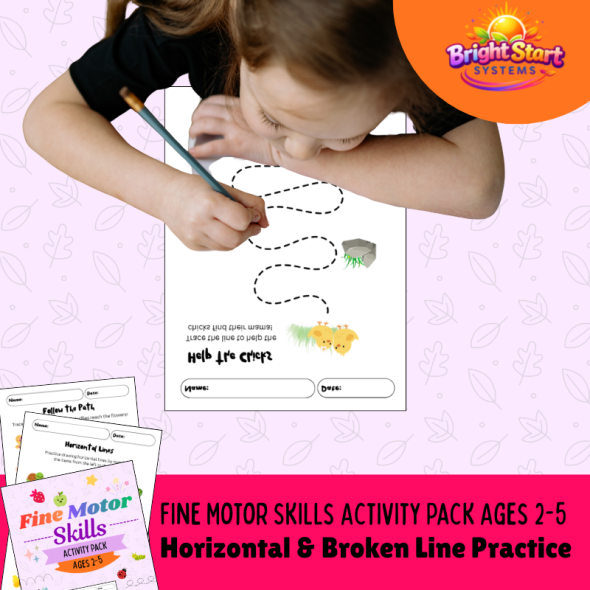
Don’t start with letters; start with paths. Using busy books tracing sheets for ages 3 to 5 allows a child to practice “stopping and starting” their pencil just like the Summer Edition Shape Tracing Practice Worksheets.
-
The BrightStart Tip: Laminate your tracing sheets! Using a dry-erase marker provides a different sensory “glide” than a crayon, helping children adapt to different resistance levels.
2. “Dot-Marker” Precision
Dot markers (or “Bingo daubers”) are a secret weapon for toddlers.
-
How it works: Aiming for a specific circle on a printable dot-art sheet requires intense visual focus and hand-eye coordination. It also strengthens the “squeeze” motion of the hand.
3. The “Cut & Create” Technique
Scissor skills are a major milestone.
-
How it works: Start with “Snip Strips”—small printable strips of paper with straight lines. Once they master the “snip,” move to curvy lines and eventually shapes.
🌟 Must-Have Fine Motor Printables
If you’re building your product suite, these are high-demand printables at BrightStart:
✏️ 1. Shape Tracing Worksheets
✔ Why Kids Love It:
- Foundational skill for writing
- Easy for all skill levels
- Highly repeatable
✔ Skills Developed:
- Pencil control
- Shape recognition
- Hand-eye coordination
🎨 2. Themed Coloring Pages (Seasonal Packs)
✔ Examples:
- Summer-themed coloring sheets ☀️
- Animals, shapes, or daily objects
✔ Why Kids Love It:
- Fun + low pressure
- Great for toddlers and preschoolers
🔄 3. Line & Pattern Tracing Sheets
✔ Includes:
- Zig-zag lines
- Curves
- Dots and paths
✔ Why Kids Love It:
- Pre-writing skill development
- Perfect for beginners
✂️ 4. Cutting Practice Worksheets
✔ Includes:
- Straight lines
- Shapes
- Fun designs
✔ Why Kids Love It:
- Hands-on activity parents love
- Builds coordination quickly
🧠 5. Matching & Sorting Printables
✔ Examples:
- Match shapes
- Color sorting
- Connect pairs
✔ Why Kids Love It:
- Combines learning + motor skills
- Keeps kids engaged longer
🌴 6. Seasonal Fine Motor Activity Packs
✔ Example:
Your Summer Edition Shape Tracing Worksheets
✔ Why Kids Love It:
- Themed = more engaging
- Easy bundle product
- Great for repeat buyers
❓ FAQ: Fine Motor Milestones for 2026
At what age should a child hold a pencil correctly?
Most children develop a “tripod grasp” (using three fingers) between the ages of 3 and 4. Before that, a “palmar supinate grasp” (fisted grip) is completely normal!
Can “digital” activities replace printables for fine motor skills?
No. While some apps claim to help, the physical resistance of a crayon on paper or the squeeze of a clothespin is necessary to actually build muscle fiber in the hand.
How do I know if my child has a fine motor delay?
If a child consistently avoids tasks like coloring, has extreme difficulty using a spoon by age 2, or cannot “pincer” small objects, it’s worth discussing with a pediatrician or occupational therapist.
What are the best fine motor activities for toddlers?
Tracing, coloring, cutting, and matching activities are among the most effective.
How often should kids practice fine motor skills?
Daily short sessions (10–20 minutes) are ideal.
Do worksheets help improve fine motor skills?
Yes, especially when they are engaging, simple, and used consistently.
👩🏫 Perfect for Moms, Teachers, and Daycare Providers
These activities work across all environments:
- At home → easy daily learning
- In daycare → structured group activity
- In classrooms → skill-building centers
Using tools from BrightStart helps you maintain consistency without extra effort.
Improving fine motor skills doesn’t require expensive therapy toys. With a printer and a few household items (like clothespins or dough), you can create a high-impact learning environment. At BrightStart, our mission is to make these developmental tools accessible, beautiful, and most importantly fun!
Ready to build those tiny muscles? Check out our Fine Motor Skills Activity Pack for Ages 2-5 Horizontal and Broken Line Practice of interactive printable fun!